
Home Winterizing Checklist for your Pennsylvania Home |
Practical steps to prepare your heat, plumbing, and outdoor spaces before winter weather arrives |
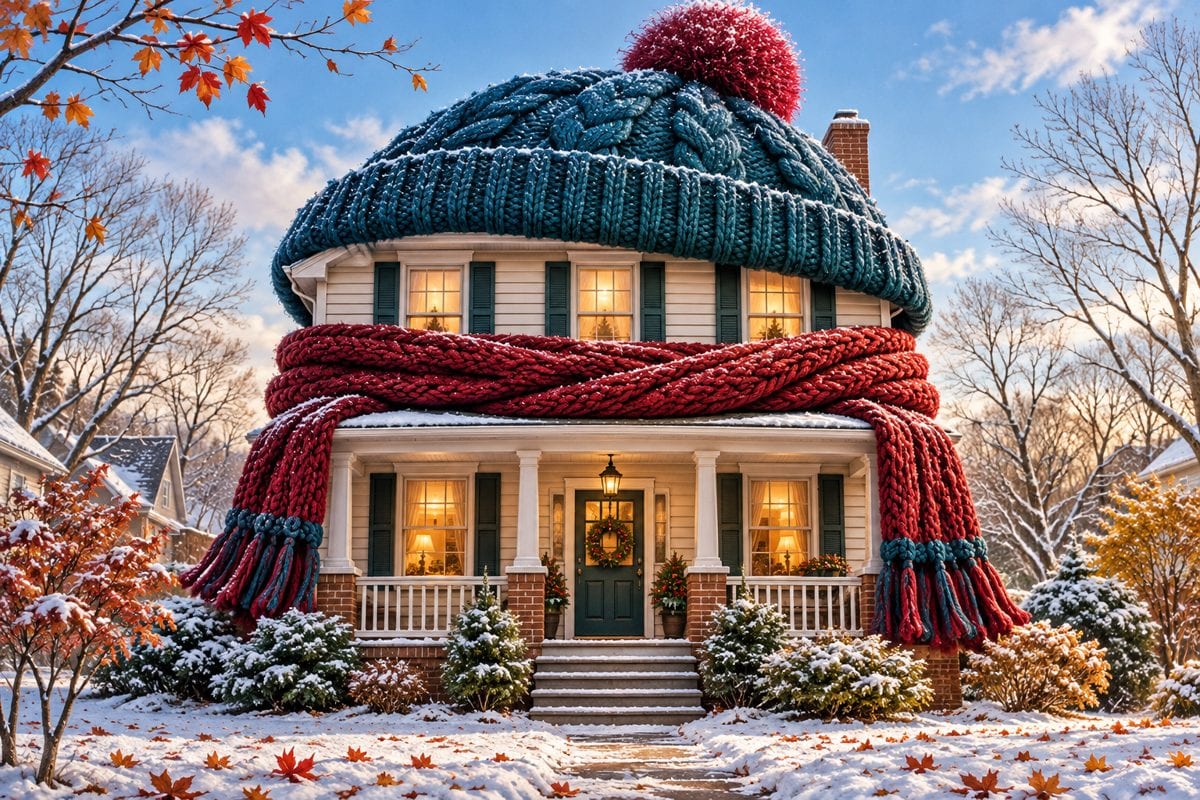
One chilly morning is usually all it takes to remind us that winter is getting closer.
In the Alle-Kiski Valley, a little preparation now can make the first stretch of freezing weather easier on your home—and on the people living in it.
This home winterizing checklist breaks the work into manageable tasks, so you can handle a few at a time instead of scrambling when snow is in the forecast.
Start with heat and household safety
☐ Schedule heating-system service.
Have a qualified technician inspect and maintain your furnace, boiler, or heat pump before you depend on it every day.
If the system struggles to start, makes unusual noises, or heats rooms unevenly, mention those issues when you book the appointment.
☐ Check the filter and clear the vents.
Inspect your heating-system filter and clean or replace it according to the equipment manufacturer’s directions.
Keep furniture, rugs, and stored items from blocking supply vents or return-air grilles.
☐ Test smoke and carbon monoxide alarms.
Use each alarm’s test button and follow its instructions for batteries and replacement dates.
Smoke alarms belong on every level and inside and outside sleeping rooms; carbon monoxide alarms belong on every level and outside separate sleeping areas.
If you use a fireplace or wood stove, arrange professional inspection and cleaning before the season’s first fire.
Keep combustible items at least three feet from heat sources, and plug portable electric heaters directly into wall outlets.
Turn space heaters off before leaving the room or going to bed.
Keep cold air and water where they belong
☐ Look for drafts around doors and windows.
Check worn weatherstripping and visible gaps, then use the appropriate weatherstripping or caulk to reduce air leaks.
Close and latch windows fully, and check that storm windows are secured if your home has them.
Avoid blocking intentional ventilation or combustion-air openings.
☐ Clean gutters and downspouts.
Remove leaves and debris so rain and melting snow can drain, and check that downspouts direct water away from the foundation.
If the job requires unsafe ladder work, hire someone equipped to handle it.
From the ground, look for obvious roof damage or loose gutters that need professional attention.
Have attic insulation and ventilation evaluated if you’ve had recurring ice dams.
Clean gutters help drainage, but insulation and ventilation also matter when preventing roof ice buildup.
☐ Disconnect hoses and protect outdoor plumbing.
Drain and store garden hoses, and winterize outdoor faucets and irrigation lines according to their design and the installer’s instructions.
If a faucet has an interior shutoff, learn how its supply line should be shut off and drained.
☐ Protect pipes in cold spaces.
Check exposed plumbing in unheated basements, crawl spaces, garages, and along exterior walls, and use insulation intended for pipes.
Find your main water shutoff now, so you can reach it quickly if a pipe breaks.
If you leave during cold weather, keep the heat on at no less than 55°F; particularly vulnerable plumbing may need additional protection.
Be ready for the first storm
☐ Get snow-removal supplies ready.
Put shovels, suitable ice melt, and winter footwear where they’re easy to reach, and check your snowblower using the manufacturer’s maintenance instructions.
Clear walking routes and check that handrails and exterior lighting are working.
Gather flashlights, spare batteries, blankets, charged power banks, and at least three days of food, water, medications, and pet supplies.
Never use an oven to heat the house, and operate portable generators only outdoors, at least 20 feet from doors, windows, and vents.
☐ Make a simple household plan.
Save your heating contractor’s number, decide how you’ll check on a neighbor or family member, and make sure everyone knows where emergency supplies are stored.
You don’t have to finish everything in one afternoon.
Start with heating and safety, then work through the outdoor tasks while the weather still makes them easier. |
0 Comments
Join the conversation
Be the first to comment
Share your thoughts above.